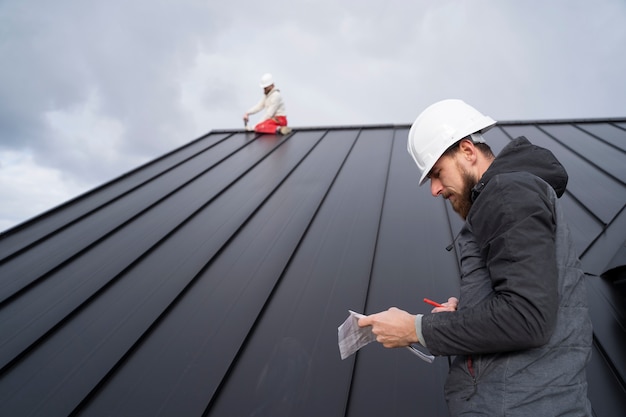
In the world of construction and building maintenance, cement waterproofing is a crucial aspect that ensures the longevity and durability of structures. The infiltration of water into concrete can lead to severe issues such as structural damage, mold growth, and compromised integrity. Therefore, investing in effective cement waterproofing solutions is essential for protecting infrastructures from potential water-related damages. This article explores various cement waterproofing solutions available in the market, their benefits, and how to choose the right one for specific needs.
Understanding Cement Waterproofing
Cement waterproofing refers to the process of making concrete structures resistant to water penetration. It is essential for both new constructions and existing buildings to prevent moisture ingress that can lead to deterioration.
Types of Cement Waterproofing Solutions
Cementitious Waterproofing
Cementitious waterproofing is one of the most common solutions due to its ease of application and cost-effectiveness. This method involves applying a cement-based coating to the surface, which creates a waterproof barrier.
- Simple application process suitable for both indoor and outdoor use.
- Ideal for areas that are constantly wet, such as bathrooms and basements.
- Non-toxic and environmentally friendly.
- Explore advanced guides and tips on applying cementitious waterproofing effectively.
Liquid Waterproofing Membrane
This solution involves applying a liquid membrane that cures to form a waterproof, elastomeric barrier. It is highly flexible, making it suitable for areas that experience movement or thermal expansion.
- Provides a seamless and uniform protective layer.
- Can be applied to irregular surfaces.
- Offers excellent resistance to UV rays and weather conditions.
- Learn about our tailored solutions for liquid waterproofing membranes.
Bituminous Coating
Bituminous coating is another effective waterproofing method that offers protective properties. It is particularly effective for areas that require a durable finish.
- Highly resistant to water penetration and moisture.
- Provides excellent adhesion to different substrates.
- Suitable for both above-ground and below-ground structures.
- Discover expert strategies here for applying bituminous coatings.
Choosing the Right Solution
Selecting the appropriate waterproofing method depends on several factors:
- Location: Consider whether the area is above or below ground, as this impacts the type of waterproofing needed.
- Environmental Conditions: Evaluate exposure to weather elements and temperature fluctuations.
- Purpose: Determine whether the waterproofing is for a new construction or an existing structure that requires renovation.
- Budget: Take into account the cost-effectiveness of the solution in relation to its benefits.
- For more detailed insights, find out more about this approach.
Benefits of Effective Cement Waterproofing
Implementing an effective cement waterproofing solution offers numerous advantages:
- Increased Longevity: Protects structures from water damage, extending their lifespan.
- Structural Integrity: Prevents cracking and deterioration, maintaining the strength of the building.
- Health and Safety: Reduces the risk of mold and mildew, promoting a healthier environment.
- Cost Savings: Minimizes repair and maintenance costs over time.
By carefully evaluating the options and selecting the appropriate waterproofing solution, building owners can ensure robust protection against water damage. For more information on cement waterproofing and to explore tailored solutions, visit this comprehensive resource.
